Drywall Patching in Wilmington, NC
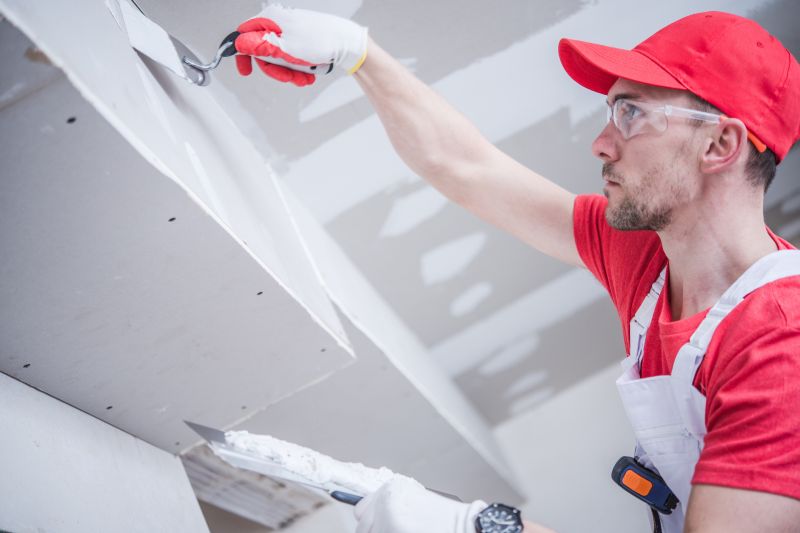
Drywall patching services involve repairing damaged or deteriorated sections of drywall to restore a smooth, seamless surface. This service is commonly used for fixing holes, cracks, dents, or water damage resulting from everyday wear, accidents, or minor structural issues. Homeowners often request drywall patching when preparing a space for painting, remodeling, or simply to improve the appearance of interior walls and ceilings. It’s important to understand the extent of the damage, as patching can range from small repairs to more extensive sections that require careful matching of texture and finish.
Property owners considering drywall patching should be aware of the type of damage present and the location within the property, as different areas may require specific techniques or materials. Clear communication about the size and nature of the repair helps ensure the finished surface blends well with existing drywall. Proper patching not only improves aesthetics but also helps maintain the integrity of walls and ceilings, making it a practical step before painting or finishing projects.
Many property owners in Wilmington, NC look into Drywall Patching for repairs, replacements, upgrades, and appearance-related improvements.
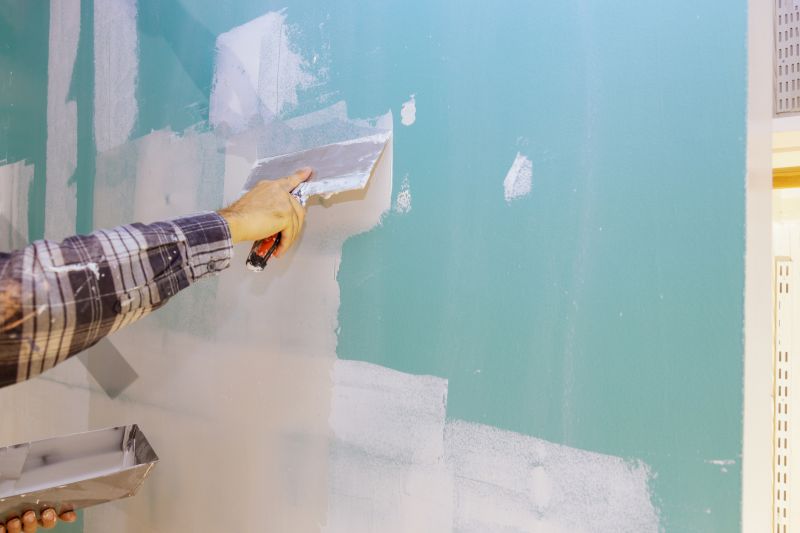
Common Drywall Repairs
Patching holes and cracks to restore wall integrity and appearance.
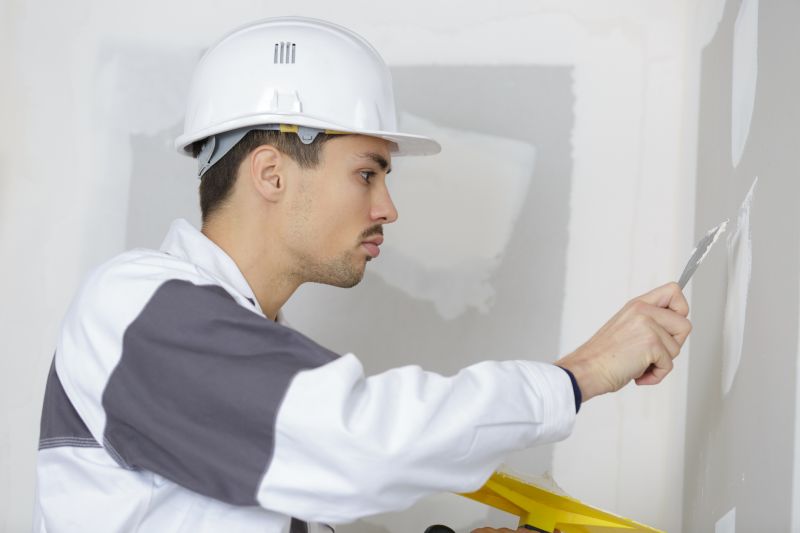
Damage Prevention Tips
Strategies to minimize future drywall damage in busy households and commercial spaces.
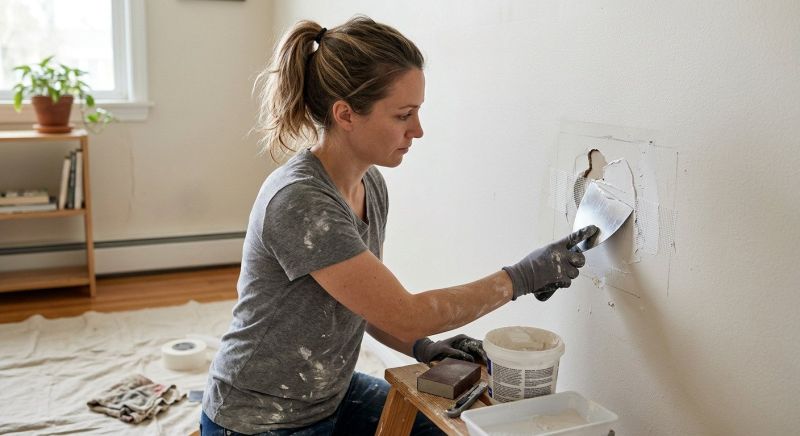
Finish And Texture Matching
Blending patched areas seamlessly with existing wall surfaces for a uniform look.
Drywall Patching in Wilmington, NC
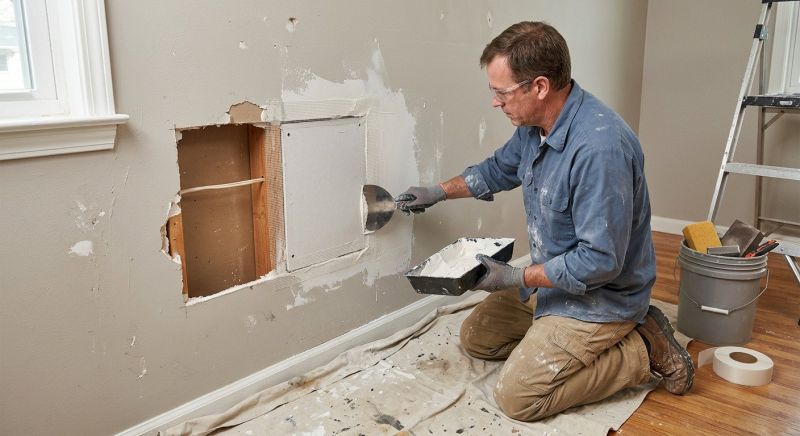
Drywall patching services involve repairing damaged or deteriorated sections of drywall to restore a smooth, seamless surface. This service is commonly used for fixing holes, cracks, dents, or water damage resulting from everyday wear, accidents, or minor structural issues. Homeowners often request drywall patching when preparing a space for painting, remodeling, or simply to improve the appearance of interior walls and ceilings. It’s important to understand the extent of the damage, as patching can range from small repairs to more extensive sections that require careful matching of texture and finish.
Property owners considering drywall patching should be aware of the type of damage present and the location within the property, as different areas may require specific techniques or materials. Clear communication about the size and nature of the repair helps ensure the finished surface blends well with existing drywall. Proper patching not only improves aesthetics but also helps maintain the integrity of walls and ceilings, making it a practical step before painting or finishing projects.
Many property owners in Wilmington, NC look into Drywall Patching for repairs, replacements, upgrades, and appearance-related improvements.
Common Drywall Patching Jobs
Drywall Repair - restores damaged or cracked drywall surfaces for a smooth finish.
Patch and Fill - addresses small holes and dents in walls quickly and effectively.
Water Damage Repair - fixes water-affected drywall to prevent mold and further deterioration.
Texture Matching - blends patched areas seamlessly with existing wall textures.
Crack Repair - stabilizes and fills wall cracks to improve appearance and wall integrity.
Hole Patching - repairs large or small holes for a clean, finished look.
Drywall Patching Questions
What types of drywall damage can be patched? Common issues include holes, cracks, dents, and water stains that can be repaired with patching.
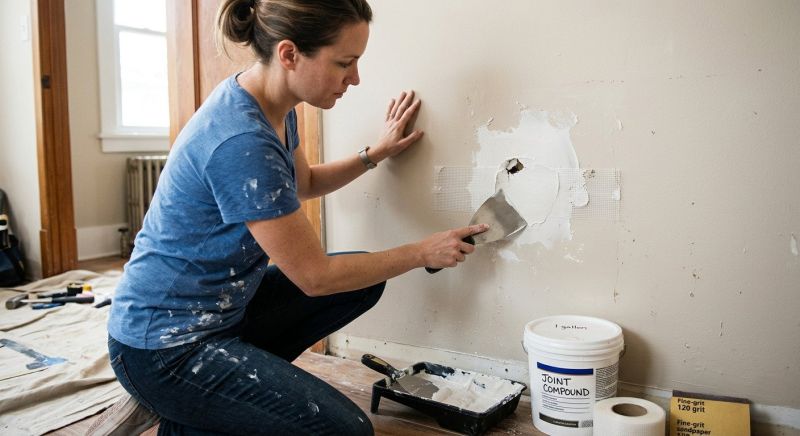
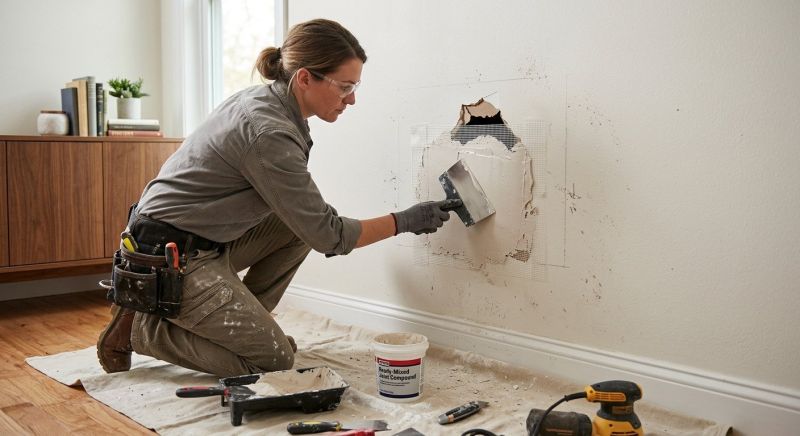
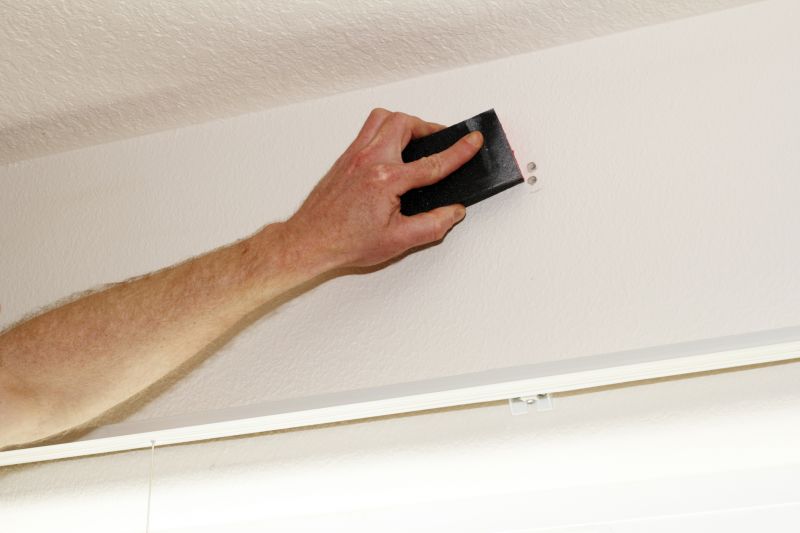
How is drywall patched? The process involves applying joint compound over the damaged area, sanding smooth, and blending it with the surrounding wall.
Can drywall patches be painted to match existing walls? Yes, patched areas can be painted to match the surrounding wall for a seamless appearance.
Is drywall patching suitable for large holes? Larger holes may require additional reinforcement or replacement of drywall panels for proper repair.
Request Drywall Patching in Wilmington, NC
Use the quote form on this page to share the basics of your project and request more information for the type of work you need.