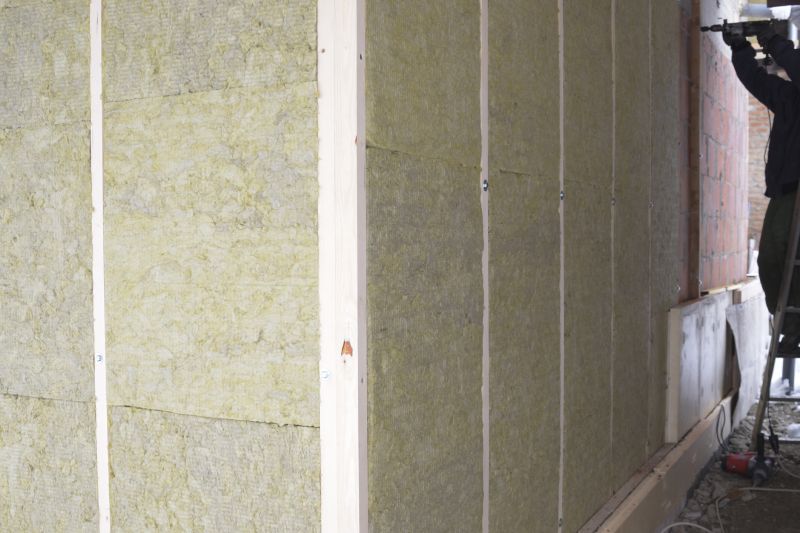
Room Insulation Installation in Austin, TX
Room insulation installation involves adding or upgrading insulation within interior spaces to improve energy efficiency and comfort. This service covers a variety of projects, including insulating walls, attics, basements, and other interior rooms. Homeowners typically seek this service to reduce heating and cooling costs, prevent drafts, and enhance overall indoor comfort. Before requesting installation, property owners often want to understand the types of insulation materials available, the best options for their specific spaces, and how the installation process might impact their daily routines.
It’s important for property owners to consider the current condition of their existing insulation and identify any problem areas such as drafts or moisture issues. They should also inquire about the potential benefits of different insulation types, such as fiberglass, foam, or cellulose, and how these choices can influence energy savings and indoor air quality. Understanding the scope of work, including whether walls need to be opened or if existing insulation can be upgraded, helps ensure the project aligns with their comfort goals and budget.
Many property owners in Austin, TX look into Room Insulation Installation for repairs, replacements, upgrades, and appearance-related improvements.
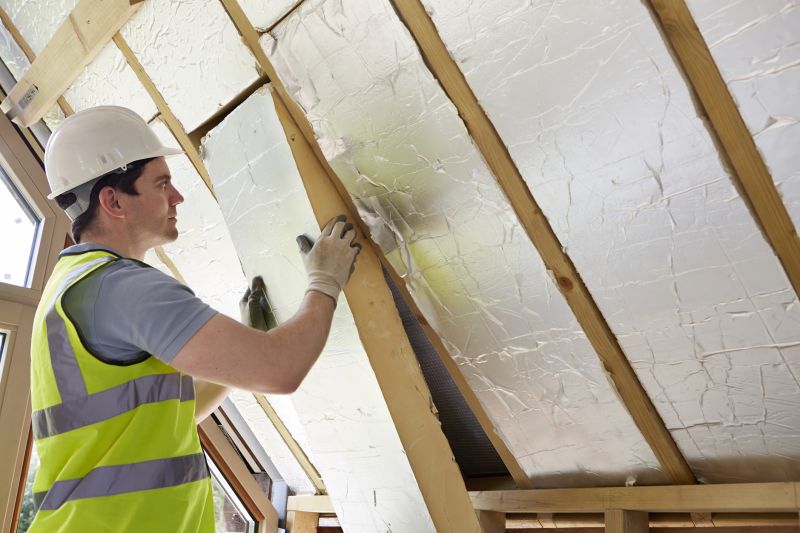
Benefits Of Room Insulation
Proper insulation helps maintain consistent indoor temperatures and reduces energy costs.
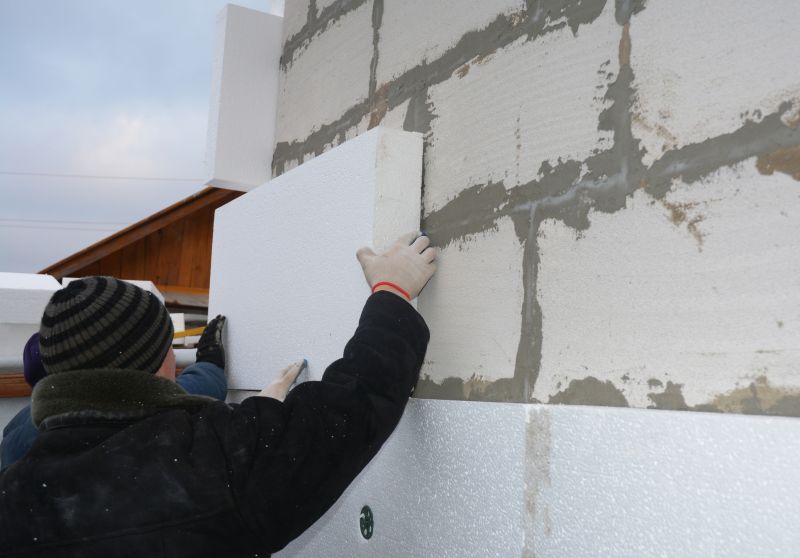
Common Insulation Projects
Installing or upgrading attic, wall, or basement insulation to improve overall comfort.
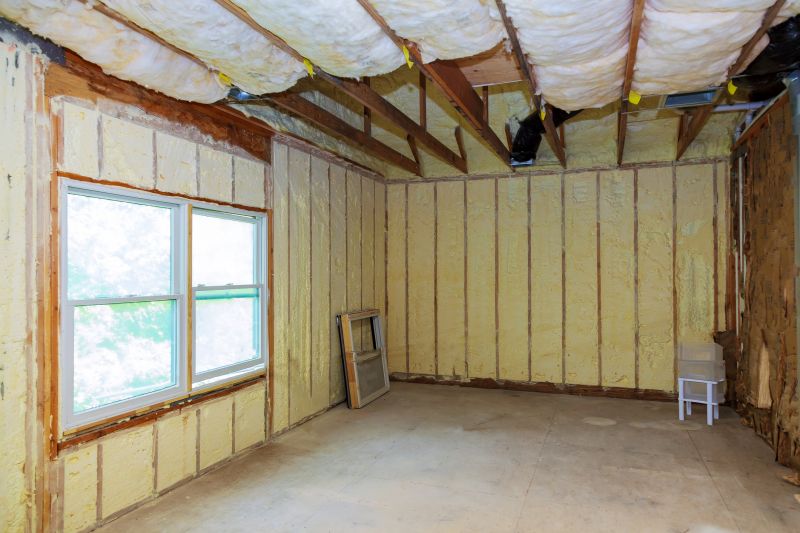
Choosing The Right Insulation
Selecting suitable insulation materials based on the specific needs of homes in austin, tx.
Room Insulation Installation in Austin, TX
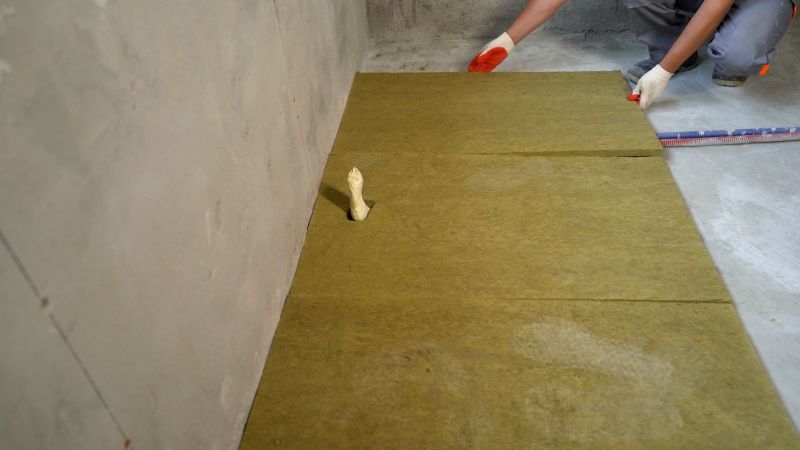
Room insulation installation involves adding or upgrading insulation within interior spaces to improve energy efficiency and comfort. This service covers a variety of projects, including insulating walls, attics, basements, and other interior rooms. Homeowners typically seek this service to reduce heating and cooling costs, prevent drafts, and enhance overall indoor comfort. Before requesting installation, property owners often want to understand the types of insulation materials available, the best options for their specific spaces, and how the installation process might impact their daily routines.
It’s important for property owners to consider the current condition of their existing insulation and identify any problem areas such as drafts or moisture issues. They should also inquire about the potential benefits of different insulation types, such as fiberglass, foam, or cellulose, and how these choices can influence energy savings and indoor air quality. Understanding the scope of work, including whether walls need to be opened or if existing insulation can be upgraded, helps ensure the project aligns with their comfort goals and budget.
Many property owners in Austin, TX look into Room Insulation Installation for repairs, replacements, upgrades, and appearance-related improvements.
Common Room Insulation Installation Jobs
Attic insulation installation - improves energy efficiency by reducing heat transfer through the ceiling.
Wall insulation upgrades - enhances interior comfort and minimizes drafts in living spaces.
Basement insulation services - helps regulate temperature and prevent moisture issues in below-grade areas.
Duct insulation - reduces energy loss in heating and cooling systems for better performance.
Cavity wall insulation - fills wall gaps to improve thermal retention and lower utility bills.
Soundproofing insulation - minimizes noise transfer between rooms for a quieter home environment.
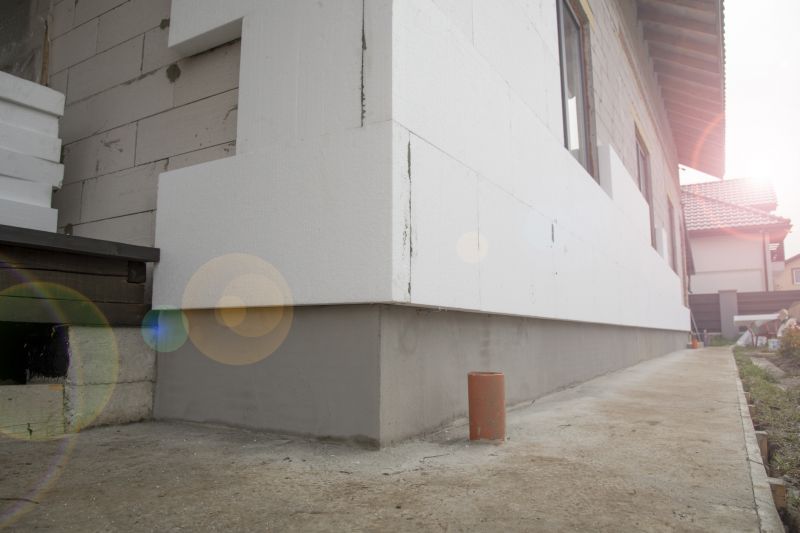
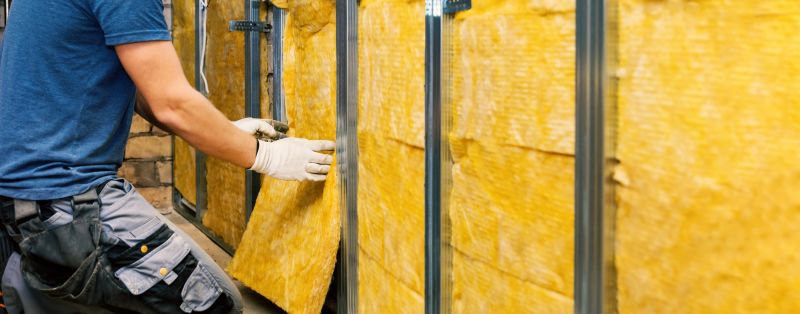
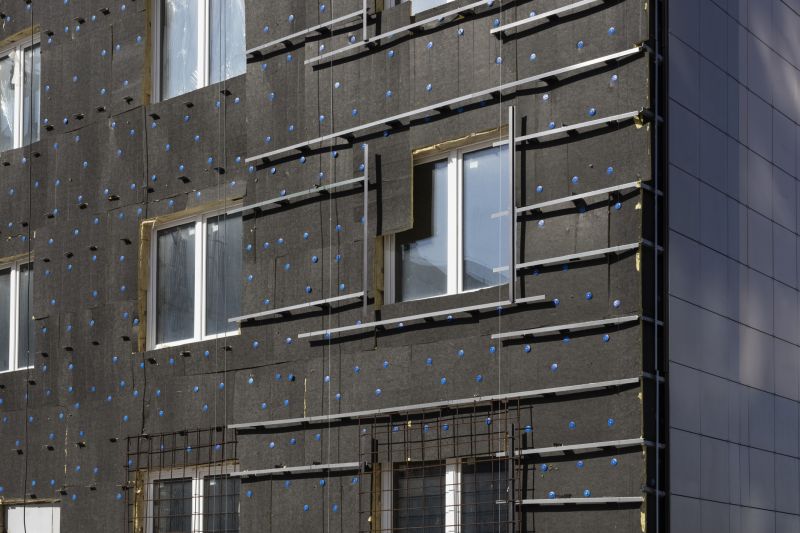
Room Insulation Installation Questions
What types of rooms are suitable for insulation installation? Attics, basements, and interior walls are common areas where insulation can improve energy efficiency and comfort.
How does insulation help with energy savings? Proper insulation reduces heat transfer, helping maintain consistent indoor temperatures and lowering heating and cooling costs.
Is insulation installation disruptive to daily routines? The process is typically straightforward and designed to minimize disruption, with work areas cleaned afterward.
What materials are used for room insulation? Common materials include fiberglass batts, spray foam, and mineral wool, selected based on the specific project needs.
Request Room Insulation Installation in Austin, TX
Use the quote form on this page to share the basics of your project and request more information for the type of work you need.