Compare Local Contractors for Rolled Insulation Services
Compare local contractors for rolled insulation to define scope, verify experience, and set clear expectations for a successful property improvement.
Rolled insulation services typically involve the installation of insulating materials in attics, walls, and other building cavities using large rolls or batts. This work aims to improve a property’s thermal efficiency by reducing heat transfer, which can contribute to more consistent indoor temperatures and increased comfort. Contractors handling rolled insulation often assess the existing insulation, prepare the work area, and carefully lay down the rolled materials to ensure proper coverage and minimal gaps, all while adhering to industry standards for quality and safety.
Defining the scope of rolled insulation work is an important step that helps property owners and contractors align expectations and ensure the project meets specific needs. A clear scope may specify which areas are to be insulated, the type and R-value of insulation to be used, and any additional work such as vapor barriers or air sealing. Having these details in writing can prevent misunderstandings, guide the project’s progress, and serve as a reference for quality assurance throughout the installation process.
When comparing local contractors for rolled insulation services, property owners should consider experience, reputation, and the range of services offered. Verifying that contractors have relevant experience in insulation installation can help ensure proper handling and adherence to best practices. It is also useful to review references or seek out local reviews to gauge reliability and quality of work. Additionally, requesting detailed written proposals that outline the scope, materials, and work procedures can facilitate an informed comparison, making it easier to select a service provider that aligns with the specific needs of the property.
Compare local contractors by outlining project priorities, verifying experience, and setting clear expectations in writing.
- Compare Contractor Experience - Review the backgrounds and project histories of local contractors to ensure relevant expertise.
- Define Project Scope - Clearly outline the insulation needs and expectations to share with potential service providers.
- Verify Credentials and References - Check references and previous work to assess the quality of local contractors’ services.
- Document Agreements in Writing - Ensure all project details, responsibilities, and expectations are clearly documented.
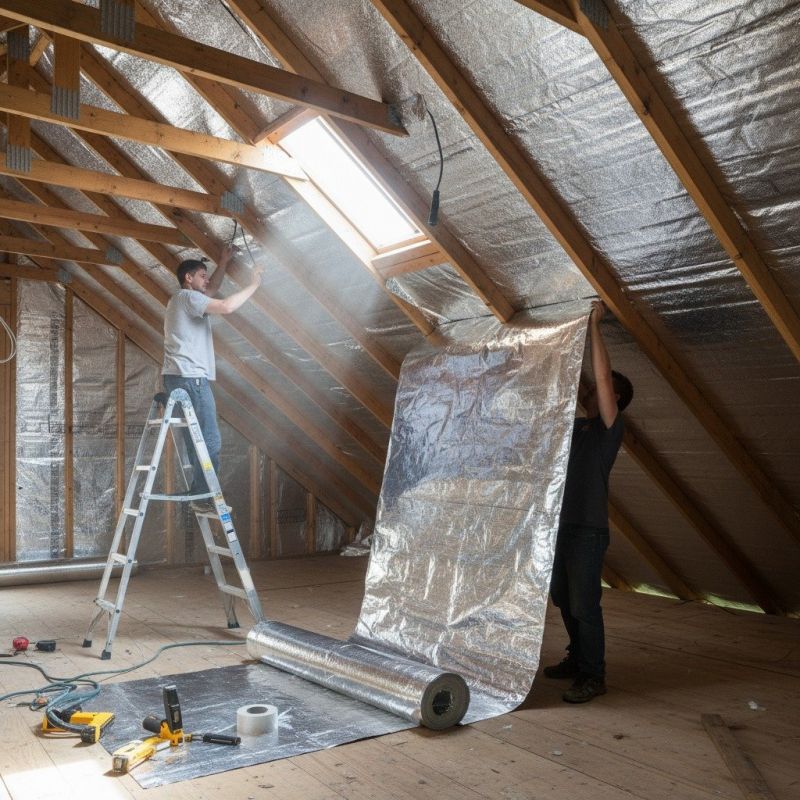
Before comparing contractors, clearly describe your rolled insulation project scope and verify their experience in writing.
- Verify experience and references for rolled insulation projects similar in scope and size. - Ensure contractors clearly define the scope of work and materials to be used in written agreements.
- Compare service providers based on their expertise with different types of rolled insulation products. - Look for local contractors who have a proven track record in insulation installation.
- Assess the quality of the materials and installation methods used by each service provider. - Confirm that contractors follow industry best practices for proper insulation coverage and sealing.
- Check if contractors provide detailed written estimates outlining the scope, materials, and work to be performed. - Make sure all expectations are documented to avoid misunderstandings during the project.
- Evaluate the communication style and responsiveness of each service provider during initial inquiries. - Choose local contractors who provide clear, professional, and timely information.
- Ensure the scope of work includes preparation, installation, and cleanup to meet project expectations. - Clarify what services are included and confirm that the contractor understands your specific insulation needs.
Compare local contractors, define project scope clearly, and verify their experience to ensure quality work.
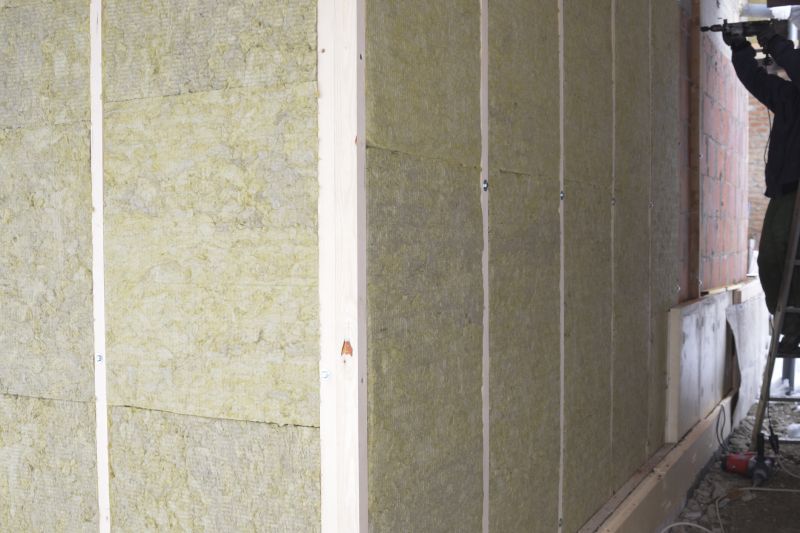
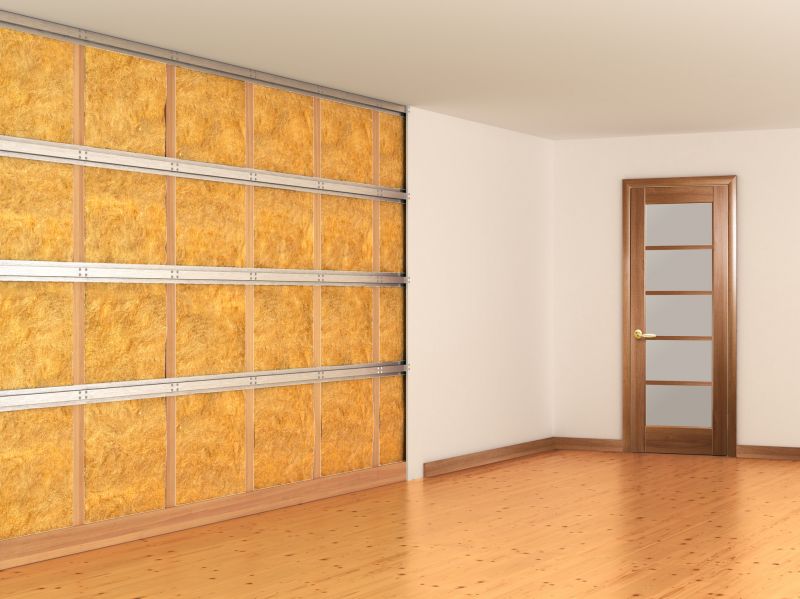
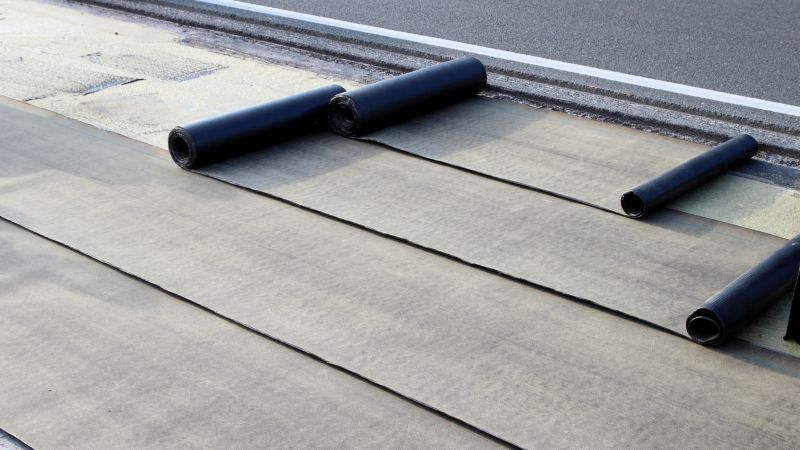
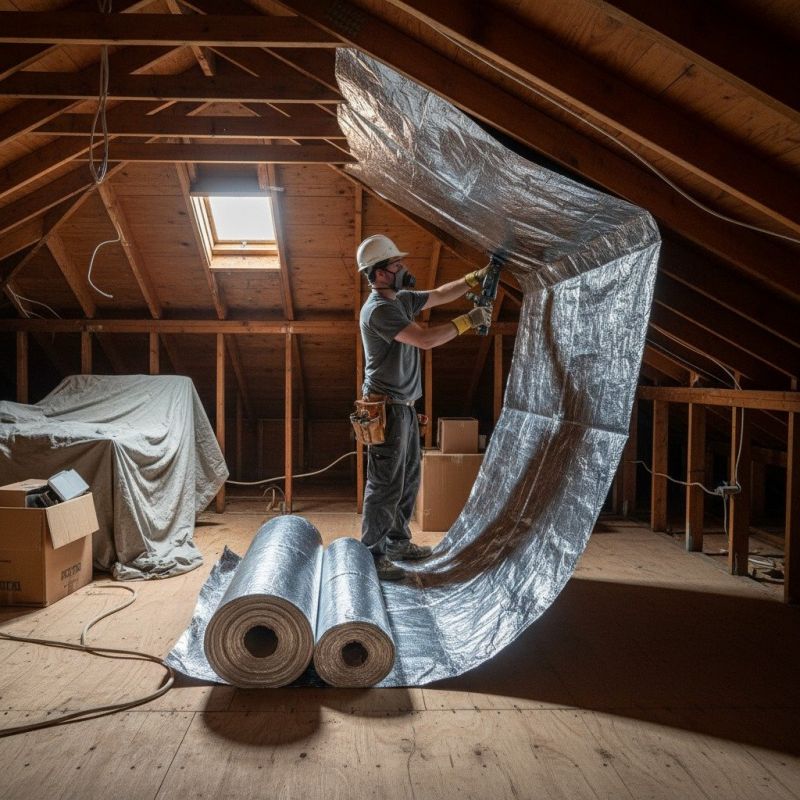
Use consistent criteria to compare local contractors’ scope, experience, and written expectations for rolled insulation projects.
- Project Scope - Clearly define the areas and surfaces where rolled insulation will be installed or removed.
- Material Specifications - Specify the type, R-value, and thickness of insulation to be used or replaced.
- Work Procedures - Outline the steps involved in installation, removal, or replacement processes to ensure clarity.
- Experience and Qualifications - Verify that local contractors have relevant experience with rolled insulation services.
- Written Agreement - Ensure all project details, scope, and expectations are documented in a formal agreement.
When comparing contractors for rolled insulation services, it is important to evaluate their experience with similar projects. Homeowners should seek out service providers who have a proven track record of completing insulation installations in residential settings comparable to their own. Asking about previous work can help determine whether a contractor has the necessary expertise to handle the specific requirements of the space, such as attic, wall, or crawl space insulation. A contractor’s familiarity with different building types and insulation techniques can contribute to a smoother project process and a more satisfactory outcome.
Having a clear, written scope of work is essential when assessing potential service providers. An effective contractor will be able to provide a detailed description of the work to be performed, including the type of insulation, the areas to be covered, and any preparatory or finishing tasks involved. This clarity helps ensure that both parties have aligned expectations and reduces the likelihood of misunderstandings. Homeowners should look for contractors who can articulate their approach and outline the specific steps involved in the project, fostering transparency and confidence in the process.
Verification basics serve as a foundation for choosing a reputable contractor. While licensing and certification are not the focus, homeowners can inquire about references or examples of completed projects. Confirming that a contractor has successfully handled similar insulation jobs can provide reassurance of their capabilities. Additionally, understanding the contractor’s process for quality assurance-such as inspection procedures or adherence to industry standards-can help verify that the work will meet expectations. Gathering this information allows for a more informed comparison of service providers.
Evaluating options without considering prices involves focusing on the quality of service, experience, and communication. Homeowners should assess how well each contractor articulates their scope of work, their experience with similar projects, and their approach to ensuring a thorough and professional installation. Comparing how service providers present their process and respond to questions can reveal their level of professionalism and reliability. By emphasizing these aspects, homeowners can select a contractor who aligns with their project needs and expectations, ensuring a smooth and successful insulation upgrade.
Ask contractors to provide written scope details to ensure clear expectations and consistent project understanding.
- Experience and Qualifications - What specific experience do the local contractors have with rolled insulation services?
- Scope of Work - How will the contractors define and document the scope of the insulation project?
- Materials and Installation Methods - What types of rolled insulation materials do the service providers recommend and why?
- Project Expectations - How will the contractors clarify the expected outcomes and responsibilities in writing?
- Comparison Factors - What criteria should be used to compare the qualifications and approaches of different local service providers?
How can I compare contractors for rolled insulation services? To compare local contractors, review their experience, verify references, and ensure they clearly define the scope of work in writing.
What should I consider when defining the scope of an insulation project? Clearly outline the areas to be insulated, the materials to be used, and any specific installation requirements to ensure everyone is on the same page.
How do I verify a contractor’s experience with rolled insulation? Ask for details about their previous projects, request references, and check if they have worked on similar insulation jobs in your area.
Why is it important to have written agreements with contractors? Written agreements help set clear expectations, specify the scope of work, and provide a record of what has been agreed upon, reducing misunderstandings.
What questions should I ask contractors during the comparison process? Inquire about their experience, methods, materials, and how they handle project specifics to ensure they meet your needs.
How can I ensure a contractor is suitable for my rolled insulation project? Review their experience, verify references, and ensure they provide a detailed scope of work in writing to match your project requirements.
By understanding the importance of defining the scope of rolled insulation work, verifying the experience of local contractors, and putting clear expectations in writing, visitors can make more informed decisions when comparing service providers. This approach helps ensure that the chosen contractor aligns with the specific needs of the project and promotes transparency throughout the process. Utilizing the quote form allows for easy comparison of options available in the area, making it simpler to connect with qualified service providers who can handle the job effectively.
Taking the time to evaluate local contractors based on their experience, scope of work, and communication practices can lead to a smoother project experience. Using the quote form to gather information enables visitors to explore multiple options and find service providers suited to their insulation needs. This step helps facilitate connections with reputable local contractors, supporting a more efficient and transparent selection process.