Compare Local Contractors for Residential Insulation Services
Compare local contractors by reviewing experience, defining project scope, and setting clear expectations in writing to ensure a successful residential insulation upgrade.
Residential insulation services typically encompass the installation, replacement, or upgrade of insulating materials within a home’s walls, attic, basement, or crawl spaces. The goal is to improve energy efficiency by reducing heat transfer, which can help maintain consistent indoor temperatures and potentially lower utility usage. These projects often involve selecting appropriate insulation types-such as fiberglass, foam, or cellulose-and ensuring proper installation techniques to maximize effectiveness. Understanding the scope of work helps property owners identify what is included and what may require additional attention, such as air sealing or moisture barriers, ensuring the project addresses specific needs of the home.
Defining the scope of insulation work is essential for setting clear expectations and avoiding misunderstandings. A detailed scope outlines the areas to be insulated, the types of materials to be used, and any preparatory or finishing tasks involved. This clarity helps property owners communicate their goals effectively with service providers and ensures that contractors understand the extent of the work. Having a well-defined scope also facilitates accurate comparisons between local contractors, as it provides a basis for evaluating each provider’s approach, experience, and proposed methods. Clear documentation can lead to better project outcomes and a smoother process overall.
When comparing local contractors for residential insulation, property owners should consider several practical factors. Verifying each provider’s experience with similar projects can help gauge their familiarity with different insulation materials and installation techniques. It’s also important to review how each contractor defines the scope of work and whether they offer detailed, written proposals. Comparing the approaches and specifications outlined in these proposals can reveal differences in quality and thoroughness. Additionally, seeking references or checking for local reputation can provide insights into their reliability and workmanship. By focusing on these aspects, property owners can make informed decisions that align with their insulation needs and expectations.
Compare local contractors by outlining project priorities, verifying experience, and clearly defining scope and expectations in writing.
- Compare Contractor Credentials - verify the experience and reputation of local contractors before selecting a service provider.
- Define Project Scope Clearly - outline the specific insulation needs and expectations to ensure alignment with service providers.
- Request Written Estimates and Agreements - ensure all details, including scope and responsibilities, are documented in writing.
- Assess Contractor Communication - choose local contractors who provide clear, consistent information throughout the process.
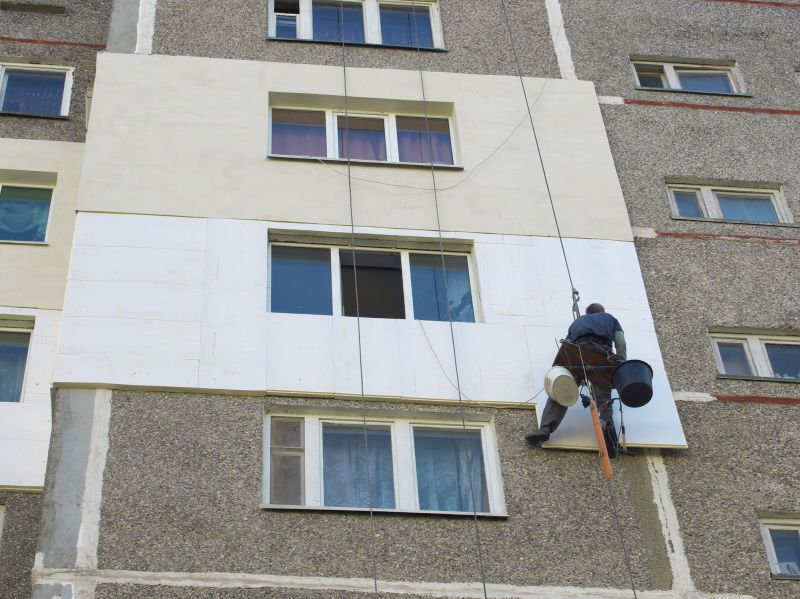
Clearly describe your insulation project and compare local contractors by verifying experience and setting expectations in writing.
- Verify the experience and expertise of local contractors in residential insulation services. - Ensure contractors clearly define the scope of work in writing to avoid misunderstandings.
- Compare multiple service providers to assess their qualifications and service offerings. - Look for detailed descriptions of the insulation methods and materials they plan to use.
- Check references or reviews to gauge the reliability and quality of previous insulation projects. - Confirm that service providers are transparent about their process and materials in written communication.
- Ensure the scope of work, materials, and project expectations are documented before work begins. - Clarify any questions about the insulation types, installation procedures, and warranties upfront.
- Assess the communication style and responsiveness of local contractors during the inquiry process. - Choose service providers who are clear, professional, and willing to answer detailed questions.
Compare local contractors, define project scope clearly, verify experience, and set expectations in writing.
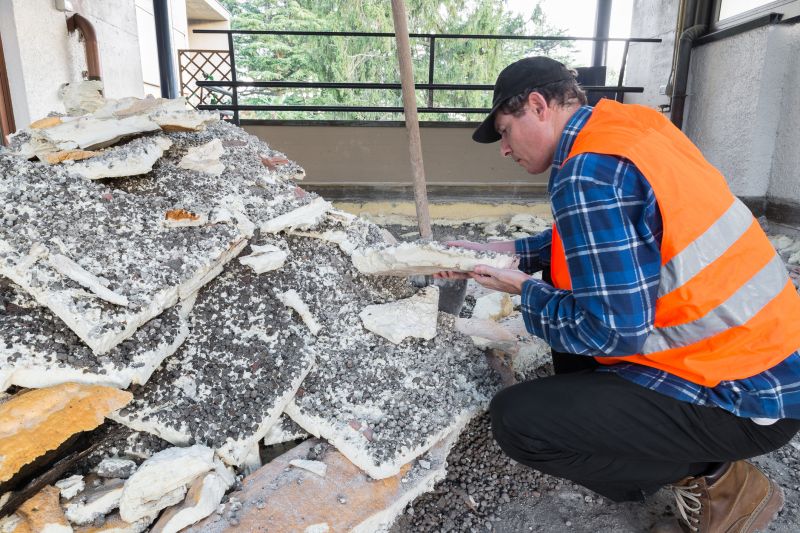


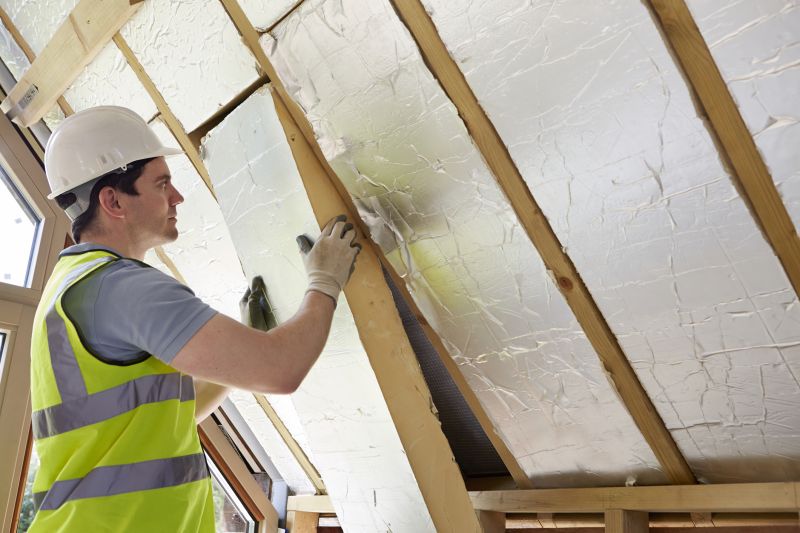
This scope builder helps compare residential insulation contractors by defining work, verifying experience, and ensuring clear expectations.
- Scope Definition - Clearly outline the specific areas and types of insulation required for the project.
- Material Selection - Identify the insulation materials to be used, considering their suitability for the space and purpose.
- Experience Verification - Confirm that local contractors have relevant experience with residential insulation installations.
- Work Specifications - Specify the installation methods, coverage areas, and any additional work details in writing.
- Expectation Alignment - Ensure all project expectations, including quality standards and scope boundaries, are documented and agreed upon.
When evaluating contractors for residential insulation services, it’s important to consider their experience with similar projects. Homeowners should inquire about the types of insulation work the service providers have completed in the past, especially those comparable in scope and complexity to the current project. Contractors with a proven track record in residential settings are more likely to understand the unique challenges and requirements of insulating a home effectively. Gathering details about their previous work can help homeowners assess whether the service providers have the practical knowledge needed to deliver quality results.
A clear, written scope of work is essential when comparing different contractors. This document should outline exactly what the insulation project will include, such as the areas to be insulated, types of insulation materials to be used, and any preparatory work required. Having a detailed scope helps prevent misunderstandings and ensures that all parties share the same expectations. Homeowners should review the scope carefully and ask service providers to clarify any ambiguous points before proceeding, fostering transparency and alignment from the outset.
Verification basics involve confirming that the service providers have appropriate experience and that their work aligns with industry standards. Homeowners can request references or examples of completed projects similar to their own, as well as verify the credentials and reputation of the contractors through independent sources. It’s also advisable to ask about the methods and materials the contractors typically use, ensuring they follow best practices for insulation installation. These steps help establish confidence that the chosen service providers are capable of delivering effective, durable insulation solutions.
Evaluating options without focusing on prices involves assessing the quality and scope of each contractor’s proposal. Homeowners should compare the detailed scope of work, the experience demonstrated through past projects, and the professionalism of the written communication. It’s also helpful to consider how well the contractors understand the homeowner’s specific needs and whether their proposals address those needs clearly. By focusing on the thoroughness of the scope, the experience of the service providers, and the clarity of their proposals, homeowners can make informed choices that align with their project goals and expectations.
Ask contractors to provide written scope details to ensure clarity and consistency throughout the insulation project.
- Experience and Qualifications - What specific experience do the local contractors have with residential insulation projects?
- Scope of Work - How do the service providers define the scope of insulation services included in their proposals?
- Materials and Methods - What types of insulation materials and installation methods do the local contractors recommend?
- Project Expectations - How will the contractors clarify the work process and set expectations in writing?
- Comparison Criteria - What factors should be used to compare different local insulation service providers beyond pricing?
How can I compare contractors for residential insulation services? To compare contractors, review their experience, verify their reputation through references or reviews, and check that they clearly define the scope of work in writing to ensure transparency.
What should I consider when defining the scope of insulation work? Clearly outline the areas to be insulated, the type of insulation materials preferred, and any specific installation requirements to ensure the contractor understands your expectations.
How can I verify a contractor’s experience in residential insulation? Ask for details about their previous projects, request references, and confirm how long they have been providing insulation services in your area.
Why is it important to have the scope of work in writing? Having a written scope helps prevent misunderstandings, sets clear expectations, and provides a record of agreed-upon work details for both parties.
What questions should I ask contractors during the selection process? Inquire about their experience, methods, types of insulation they install, and how they handle project specifics to ensure they meet your needs.
How can I ensure a contractor understands my insulation project requirements? Communicate your expectations clearly, ask for a detailed written proposal, and confirm that all aspects of the scope are addressed before work begins.
Understanding the key aspects of residential insulation services can help in making informed decisions when selecting a contractor. Visitors learned how to define the scope of work, verify the experience of service providers, and set clear expectations in writing. Comparing options among local contractors ensures that the chosen professional aligns with the specific needs of the project.
Using the quote form allows for easy comparison of local service providers, helping to identify the right fit for residential insulation needs. Taking the time to review and evaluate different contractors can lead to a more confident and well-informed decision.